



Detalhes da Notícia
Acessibilidade Universal: Portugal debate urgência de territórios inclusivos
Atualizado : 05/11/2024
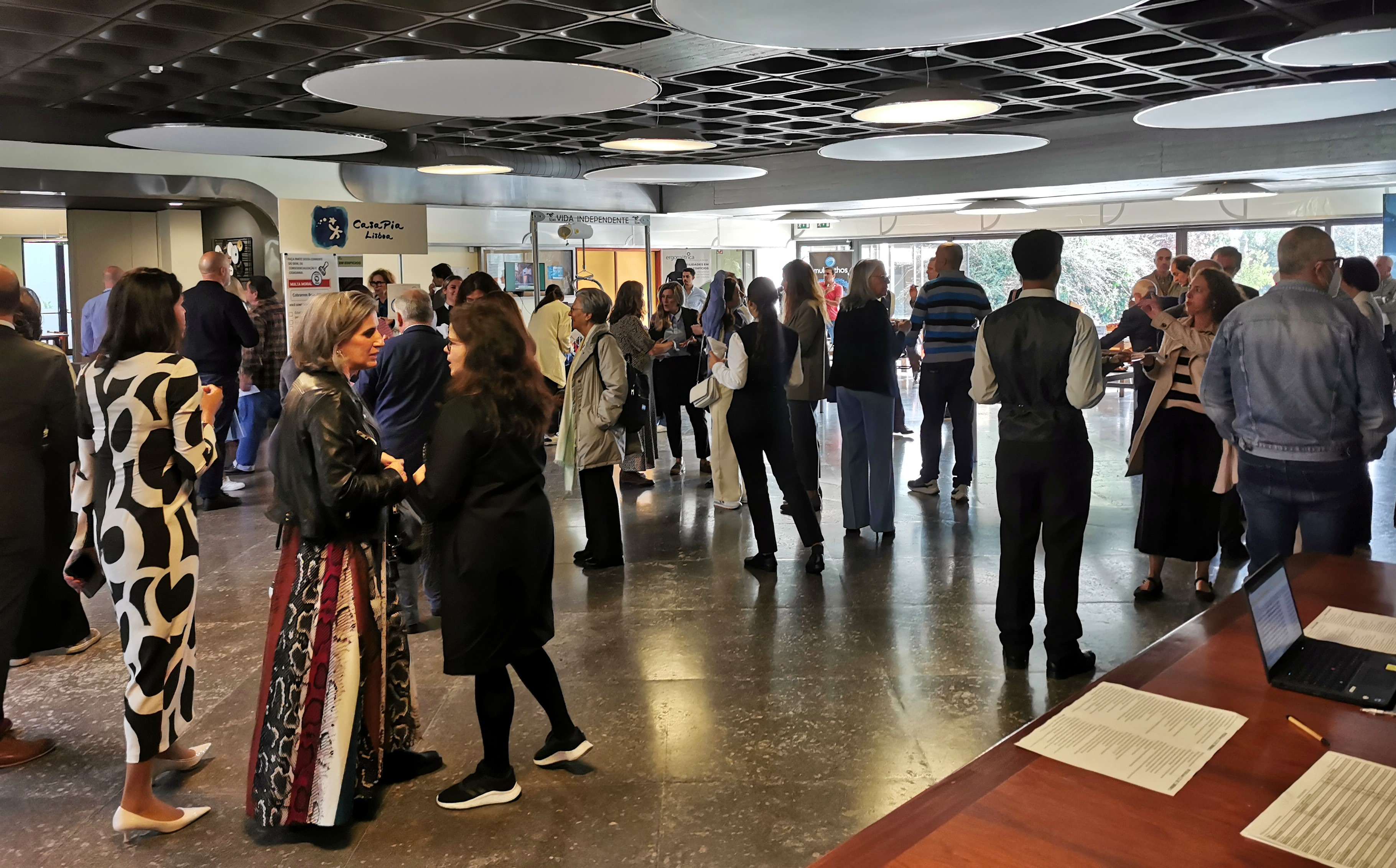
O Fórum Nacional das Acessibilidades reuniu em Lisboa dezenas de especialistas e representantes de várias entidades para uma reflexão alargada sobre a realidade portuguesa na área das acessibilidades. O evento, que assinalou o Dia Nacional das Acessibilidades a 20 de outubro, procurou avaliar diferentes níveis de responsabilidades, analisar o caminho percorrido e debater as necessidades que persistem, bem como as respostas em execução e os desafios futuros.
A iniciativa resultou de uma parceria entre o Instituto Nacional para a Reabilitação (INR, I.P.), a Estrutura de Missão para a Promoção das Acessibilidades (EMPA) e a Associação Salvador, contando com o apoio institucional do IAPMEI, Casa Pia de Lisboa, Instituto da Segurança Social e da Secretaria-Geral do Ministério do Trabalho, Solidariedade e Segurança Social.
Na sessão de abertura, a Secretária de Estado da Ação Social e da Inclusão, Clara Marques Mendes, estabeleceu o tom do debate ao reconhecer que "há muito por fazer, começando pela sensibilização de todos os atores políticos". A governante comprometeu-se a "redesenhar as políticas públicas de uma forma holística, para e com as pessoas com deficiência", sublinhando a necessidade de uma abordagem inclusiva na construção de políticas públicas.
A realidade atual apresenta desafios significativos: num país onde 70% das Câmaras Municipais ainda não possuem Plano de Acessibilidades, tornou-se evidente a necessidade de uma mudança estrutural. Durante os dois dias de trabalho, foram identificados diversos desafios cruciais para a construção de territórios verdadeiramente inclusivos.
Entre as prioridades estabelecidas, destaca-se a formação dos profissionais de todas as áreas, tanto no percurso académico como profissional, especialmente engenheiros e arquitetos responsáveis pelo desenho dos espaços públicos e privados. A necessidade de estabelecer uma comunicação eficaz entre todos os intervenientes nos espaços urbanos foi também sublinhada, com especial ênfase na criação de ambientes que privilegiem as pessoas em detrimento dos automóveis.
O fórum abordou ainda os desafios específicos do património edificado e a urgência de simplificar a complexidade normativa do setor da construção. A implementação da Lei 163/2006 foi objeto de particular atenção, especialmente no que respeita à integração da legislação de acessibilidade nos projetos de engenharia e arquitetura, e à necessidade de reforçar os meios mecânicos para ultrapassar barreiras à acessibilidade.
Uma das conclusões mais relevantes foi a necessidade de garantir que o território acessível seja contínuo, evitando a criação de "ilhas de acessibilidade". Os participantes defenderam a importância de um desenho urbano que promova efetivamente o direito à cidade, incluindo a dotação de orçamentos anuais para que entidades, nomeadamente escolas, possam implementar estratégias de acessibilidade física, material e relacional.
Os participantes contribuíram com sugestões significativas para o futuro das acessibilidades em Portugal, destacando a necessidade de expandir o debate para além dos círculos especializados e alcançar verdadeiramente a comunidade. Foi enfatizada a importância de dar voz às pessoas neurodivergentes e às suas famílias, integrando os seus testemunhos diretos sobre necessidades e desafios quotidianos. As propostas abrangeram diversos setores: desde a educação, com foco na intervenção precoce até ao ensino superior, passando pela mobilidade e transportes para o emprego, até à acessibilidade digital nos serviços públicos. O Design Universal emergiu como conceito fundamental, propondo uma mudança de paradigma onde a acessibilidade é vista não como uma questão exclusiva da deficiência, mas como um benefício transversal a toda a sociedade. A fiscalização efetiva das normas, a homologação de produtos de apoio e o papel crucial das autarquias como agentes de proximidade completaram o quadro de sugestões, sublinhando que o caminho para territórios verdadeiramente inclusivos requer um plano de ação abrangente, flexível e em constante monitorização.
O Presidente do INR, Rodrigo Ramos, nas conclusões do evento, ofereceu uma perspetiva simultaneamente otimista e desafiadora: "Temos dado passos, talvez pequenos, mas passos para a frente na área da acessibilidade". Contudo, manifestou que o debate "soube a pouco", pela necessidade de "integrar mais áreas de responsabilidade e discutir o desenvolvimento de determinadas medidas da política pública". Ramos defendeu ainda a normalização da acessibilidade a nível da União Europeia, uma maior sensibilização das entidades públicas e privadas, e um reforço da fiscalização do cumprimento das normas, propondo o conceito de "multa moral" para tornar cada cidadão um agente de sensibilização para a autonomia.
O evento contou com uma área expositiva onde empresas como IACESS, Tsimetria, MultiOrthos, Ergométrica e Rehapoint apresentaram equipamentos e produtos de apoio, demonstrando soluções práticas para os desafios da acessibilidade.
A avaliação posterior do fórum pelos participantes revelou um elevado nível de satisfação, com uma classificação média de 4,48 em 5 pontos quanto ao interesse do programa e 4,17 quanto à sua utilidade profissional. As sessões mais valorizadas foram as mesas-redondas sobre "Perspetiva de quem está no terreno" (4,28) e "Cultura e Turismo Acessível" (4,18), demonstrando a importância da experiência prática na discussão destas temáticas. Particularmente relevante foi o interesse manifestado pela apresentação da Plataforma Accessible EU (4,11) e pela discussão sobre a importância da normalização de normas (4,16), evidenciando o reconhecimento da necessidade de harmonização e standardização das práticas de acessibilidade em Portugal.
Veja ou reveja o evento:
Dia 21 AQUI
Dia 22 AQUI
Veja alguns registos fotográficos do evento em