Instituto para os Direitos das Pessoas com Deficiência
Planeamento, Coordenação e Execução das Políticas Nacionais destinadas à promoção dos direitos das Pessoas com deficiência
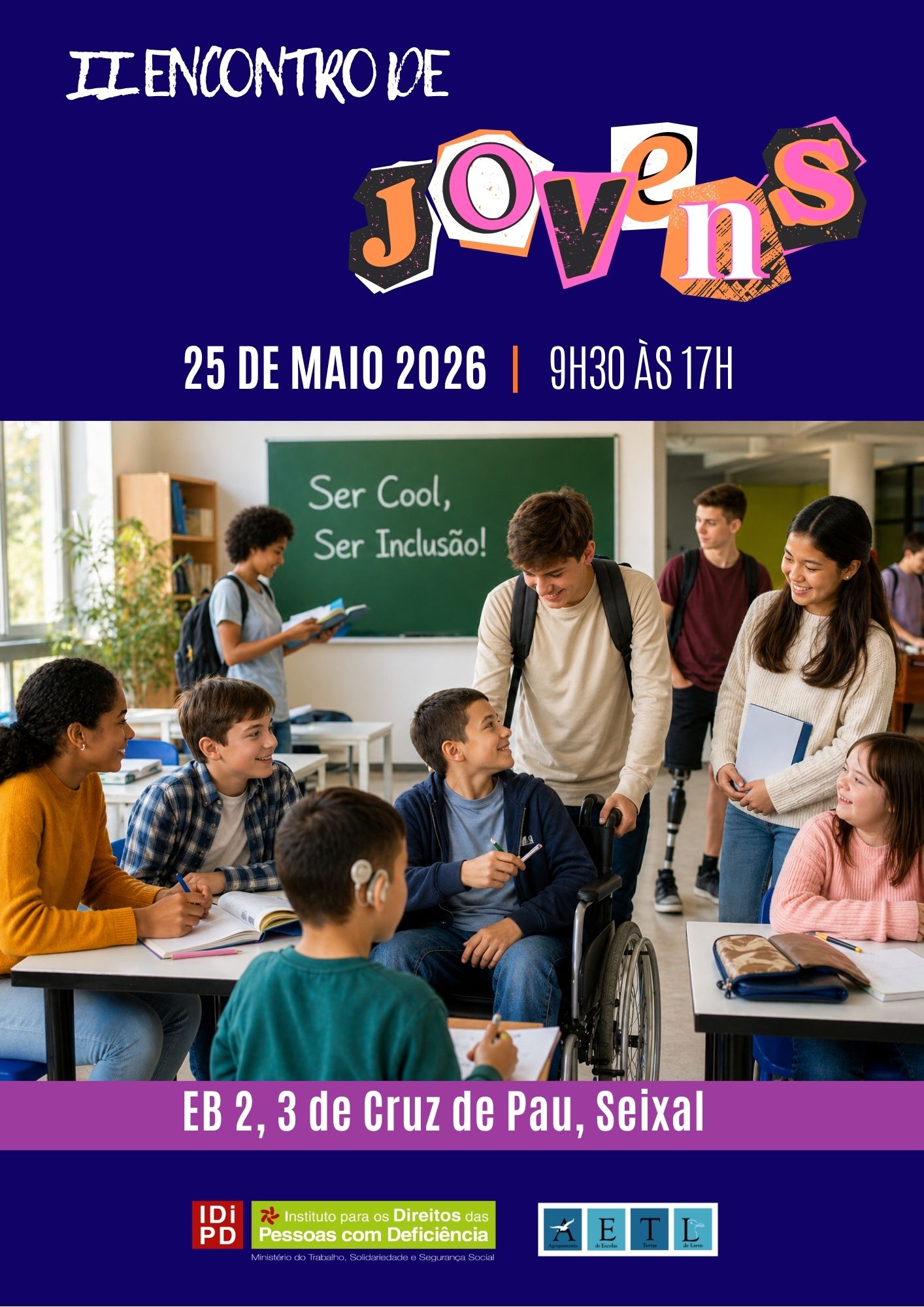
II Encontro de Jovens | “Ser Cool, Ser Inclusão!” | 25 de maio
O Instituto para os Direitos das Pessoas com Deficiência (IDiPD) encontra-se a organizar o II Encontro de Jovens “Ser Cool , Ser Inclusão!”. Depois do sucesso do I Encontro, realizado em 2025, o Instituto volta a dinamizar esta iniciativa, promovendo a participação de crianças e jovens, estimulando a partilha das suas experiências, fazendo jus ao ambicionado "Nada sobre nós, sem nós". O evento vai decorrer dia 25 de maio, na Escola Básica da Cruz de Pau (Seixal), com início às 9h30. Este encontro insere-se na missão do IDiPD, de promoção dos direitos das pessoas com deficiência, proporcionando um espaço de diálogo com crianças e jovens, que se encontram a estudar, a frequentar respostas sociais ou a trabalhar. A participação é gratuita mediante inscrição, disponível AQUI . Marque já na sua agenda, contamos consigo! Consulte o programa abaixo. 09:00 - Receção (acreditação) 09:30 – Boas-vindas Momento Musical | AETL - Agrupamento de Escolas Terras de Larus 09:45 – Abertura José Patrício | Diretor do Agrupamento de Escolas Terras de Larus Clara Marques Mendes | Secretária de Estado da Ação Social e da Inclusão Representante do Ministério da Educação, Ciência e Inovação (a confirmar) 10:15 – A Inclusão na Escola Moderação: Lia Marques | Escola Superior de Saúde do Politécnico de Setúbal Martim Reis | AETL Lourenço Oriola | Escola Escola EB2,3 Aristides de Sousa Mendes do Agrupamento de Escolas da Póvoa de Santa Iria Lucinda dos Ramos Moreno | APCAS - Associação de Paralisia Cerebral de Almada e Seixal Debate 11:05 – Pausa inclusiva Com coffee-break 11:20 – Agarrar Oportunidades: Estudo e Trabalho Moderação: Telma Teixeira Madaíl | Estudante no Agrupamento de Escolas do Monte da Lua, de Sintra Daniel Pinto | Fundação AFID Diferença Miguel Correia | AlmaSã Rita Patrício | AETL Debate 12:10 – Projetos e Iniciativas Inclusivos Moderação: Pedro Almeida | Estudante na Escola Básica José Maria dos Santos de Palmela e pertencente à Associação Bengala Mágica Gonçalo Pinto | UniversAutista Joana Silveira | Ensino Superior + Inclusivo Bruno Santos | APCAS - Associação de Paralisia Cerebral de Almada e Seixal Debate 13:00 – Conclusões do Encontro Francisco Machado | Faculdade de Ciências Sociais e Humanas da Universidade Nova de Lisboa Alycia Fortes | AETL Vanessa Sami | AETL Apresentação: Martim Fonseca | AETL 13:30 - Almoço 14:30 - Tarde Cool – Conecta-te! Diogo Grilo - DJ Set | AETL Banda da Secundária da Amora | AETL (Programa sujeito a alterações de última hora)
Ver detalhes do destaque IDiPD presente no arranque do Festival Express’Arte – Encontro de Expressões Artísticas
A edição XXVII do Festival Express’Arte – Encontro de Expressões Artísticas teve início no passado dia 13 de maio. A iniciativa é promovida pela APPACDM de Setúbal, com o apoio da Câmara Municipal de Setúbal. O arranque do festival ficou marcado pelo espetáculo “Mostra da Casa”, apresentado no Fórum Municipal Luísa Todi, que reuniu cerca de 120 participantes. A apresentação refletiu um percurso coletivo de criação artística desenvolvido ao longo de vários meses, assente no respeito pelos ritmos individuais e no trabalho em grupo, traduzido em diferentes linguagens e manifestações artísticas. A sessão contou com a presença de representantes institucionais da Câmara Municipal de Setúbal, bem como da Presidente do Instituto para os Direitos das Pessoas com Deficiência, Sónia Esperto. O projeto é cofinanciado pelo Instituto para os Direitos das Pessoas com Deficiência. Saiba mais informações sobre o Festival AQUI .
Ver detalhes do destaque 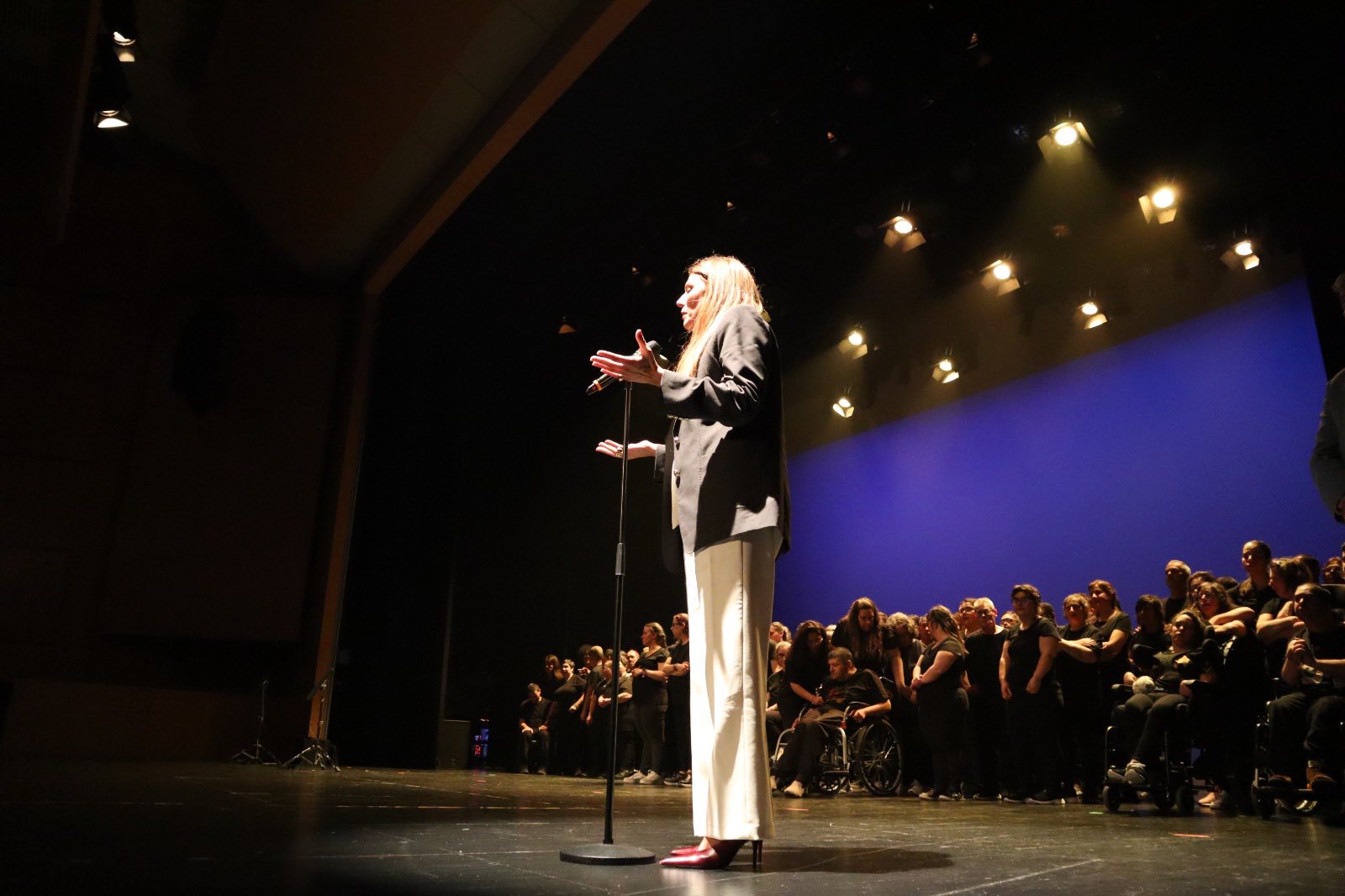

Festival "Serralves em Festa" recebe distinção de "Festival Acessível"
O Instituto para os Direitos das Pessoas com Deficiência, I.P., e o Turismo de Portugal, I.P. deliberaram atribuir a distinção "Festival Acessível" ao Festival "Serralves em Festa", promovido pela Fundação de Serralves, no âmbito do Programa Festivais Acessíveis 2026. O Festival "Serralves em Festa" terá lugar de 29 a 31 de maio de 2026, na Rua Dom João de Castro, nº 210, Lordelo do Ouro e Massarelos, 4150-417 Porto. Mais informações em Programa Festivais Acessíveis - IDiPD, I.P.
Ver detalhes do destaque Festival "Imaginarius – Festival Internacional de Artes Performativas em Espaço Público" recebe distinção de "Festival Acessível"
O Instituto para os Direitos das Pessoas com Deficiência, I.P., e o Turismo de Portugal, I.P. deliberaram atribuir a distinção "Festival Acessível" ao Festival "Imaginarius – Festival Internacional de Artes Performativas em Espaço Público", promovido pela Câmara Municipal de Santa Maria da Feira, no âmbito do Programa Festivais Acessíveis 2026. O Festival "Imaginarius – Festival Internacional de Artes Performativas em Espaço Público" terá lugar de 21 a 24 de maio de 2026, no Centro da Cidade de Santa Maria da Feira. Mais informações em Programa Festivais Acessíveis - IDiPD, I.P.
Ver detalhes do destaque 
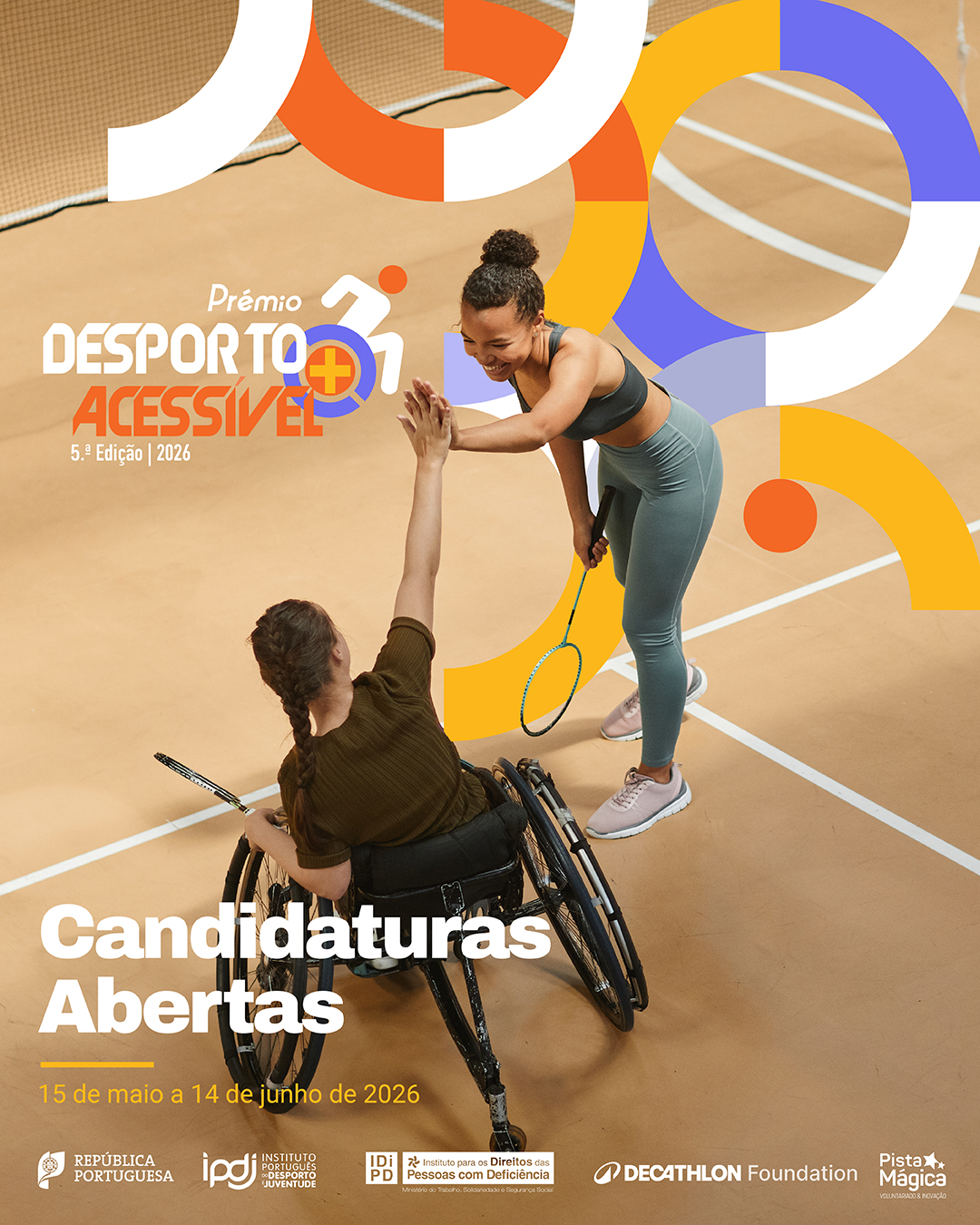
Estão abertas as candidaturas à 5.ª Edição do Prémio «Desporto + Acessível»!
O Instituto para os Direitos das Pessoas com Deficiência (IDiPD, I.P.) e o Instituto Português do Desporto e Juventude (IPDJ, I.P.) anunciam que o período de candidaturas ao Prémio Desporto + Acessível, está aberto e decorre entre 15 de maio e 14 de junho. O projeto vencedor receberá um prémio de 6000€, atribuído pelos dois Institutos, e 7 horas de consultoria online especializada em gestão de voluntariado, no valor de 350€, promovidas pelo parceiro Pista Mágica. Serão ainda atribuídas 4 menções honrosas, que receberão um prémio de 1000€ e 5 horas de consultoria online especializada em gestão de voluntariado, no valor de 250€, pela Pista Mágica. Os projetos distinguidos serão ainda apoiados no montante global de 8000€, até ao máximo de 2000€ por projeto, pela Fundação Decathlon, de acordo com as suas condições regulamentares. Para a presente edição do Prémio Desporto + Acessível, foram consideradas como áreas prioritárias: Acessibilidades e produtos de apoio; Desenvolvimento desportivo; Formação e investigação; Sensibilização e voluntariado. Saiba mais informações sobre o Prémio «Desporto + Acessível» AQUI .
Ver detalhes do destaque Cerimónia de Entrega do Prémio Ciências Sociais e Humanas para a Inclusão
O Instituto para os Direitos das Pessoas com Deficiência, I.P. realiza, no próximo dia 19 de maio, entre as 14h30 e as 16h30, a cerimónia de entrega do Prémio Ciências Sociais e Humanas para a Inclusão, que terá lugar no Auditório Orlando Monteiro, em Lisboa. A cerimónia contará com uma mesa redonda dedicada à reflexão sobre o impacto da investigação na promoção da inclusão de Pessoas com deficiência, com participação das autoras e dos autores dos trabalhos, distinguidos nas Categorias A e B, e moderação de Helena Alexandre, Presidente do Júri do Prémio. O Prémio Ciências Sociais e Humanas para a Inclusão, promovido e atribuído pelo Instituto para os Direitos das Pessoas com Deficiência, I.P., é uma iniciativa que nasceu como forma de distinguir trabalhos académicos e de investigação de excelência, no domínio da inclusão das pessoas com deficiência, incentivando a produção e disseminação de conhecimento científico relevante nesta área. Programa 14h00 - Receção de participantes 14h30 - Abertura: Sónia Esperto, Presidente do Conselho Diretivo do Instituto para os Direitos das Pessoas com Deficiência, I.P. 14h40 - Apresentação Técnica do Prémio pela equipa do Prémio Ciências Sociais e Humanas para a Inclusão 14h50 - Mesa Redonda: Reflexão sobre a importância da investigação na promoção dos direitos das Pessoas com deficiência, com participação dos Vencedores e Menções Honrosas e moderação pela Presidente do Júri do Prémio Ciências Sociais e Humanas para a Inclusão 15h50 - Entrega dos Prémios: Entrega de Diplomas de Participação Vencedores e Menções Honrosas 16h10 - Encerramento: Pedro Afonso, Vogal do Conselho Diretivo do Instituto para os Direitos das Pessoas com Deficiência, I.P. 16h20 – Porto de Honra A participação na cerimónia está sujeita a inscrição prévia, que poderá ser feita aqui Aceda ao convite acessível AQUI .
Ver detalhes do destaque 

Rumo a 2030: Consulta Europeia Define Prioridades para os Direitos das Pessoas com Deficiência
Um novo relatório síntese da Comissão Europeia revela que, embora existam avanços legislativos, a implementação prática na vida quotidiana continua a ser o maior desafio. Vida independente, emprego e acessibilidade são as áreas críticas para os próximos cinco anos . A Comissão Europeia publicou recentemente o relatório síntese da consulta alargada para o reforço da Estratégia sobre os Direitos das Pessoas com Deficiência 2021-2030. Este processo, que decorreu entre meados de 2025 e o início de 2026, recolheu contributos de cidadãos, Estados-Membros e organizações representativas (ONG) para ajustar as ações da União Europeia até ao final da década. Os resultados mostram um padrão claro: os cidadãos reconhecem o progresso em termos de normas e leis (como o Ato Europeu da Acessibilidade), mas sentem que estas não se traduziram em mudanças estruturais nas suas vidas. De facto, 52% dos inquiridos avaliam negativamente a evolução da situação nos seus próprios países nos últimos cinco anos. De acordo com os contributos recolhidos, as prioridades máximas para a ação futura da UE são: 1. Vida Independente e Desinstitucionalização : Garantir que o financiamento europeu apoia apenas serviços baseados na comunidade e não modelos de segregação. 2. Emprego de Qualidade : Combater o fosso de emprego que ainda persiste, com foco na transição da educação para o mercado de trabalho e na oferta de adaptações razoáveis. 3. Acessibilidade Universal : Ir além das barreiras físicas, abrangendo transportes, serviços digitais e habitação acessível. Um dos destaques do relatório, vindo diretamente do Diálogo com a Juventude, é a visão da participação política como um pré-requisito fundamental , pois é onde as mudanças acontecem. No entanto, persistem barreiras graves, como a falta de acessibilidade nos processos eleitorais, manifestos em formatos complexos e desafios à capacidade jurídica. Cerca de 12% dos inquiridos consideram que a participação política não melhorou ou até piorou nos últimos cinco anos. O lema "Nada sobre nós, sem nós" continua a ser a base de toda a estratégia. O relatório conclui que não é necessário um novo quadro estratégico, mas sim uma aplicação mais rigorosa e monitorizável do atual, com metas claras e a participação direta das pessoas com deficiência na tomada de decisão. O Instituto para os Direitos das Pessoas com Deficiência, I.P. continuará a acompanhar de perto estas diretrizes para assegurar que Portugal contribui ativamente para uma Europa plenamente inclusiva. Consulte o relatório AQUI .
Ver detalhes do destaque Comissão Europeia reforça Estratégia para os Direitos das Pessoas com Deficiência até 2030
No dia 6 de maio de 2026, a Comissão Europeia adotou a Comunicação “ Enhancing the Strategy for the Rights of Persons with Disabilities up to 2030 ”, conforme previsto no seu Programa de Trabalho. A meio do período de implementação da Estratégia 2021–2030, é reconhecido que foram alcançados progressos relevantes ao nível das políticas e do enquadramento europeu. No entanto, persistem ainda barreiras significativas em vários Estados-Membros, que continuam a limitar a participação plena das pessoas com deficiência na sociedade e na economia, em condições de igualdade com os demais cidadãos. Face a este contexto, a União Europeia decidiu reforçar a Estratégia, elevando o nível de ambição e centrando-se, de forma mais clara, na sua implementação efetiva, na concretização de resultados no terreno e no impacto real na vida das pessoas. Este reforço traduz um compromisso renovado com a promoção dos direitos das pessoas com deficiência, com enfoque na eliminação de obstáculos, na igualdade de oportunidades e na construção de uma sociedade mais inclusiva e acessível para todos. O Instituto para os Direitos das Pessoas com Deficiência, I.P. continuará a acompanhar de perto estas diretrizes para assegurar que Portugal contribui ativamente para uma Europa plenamente inclusiva. Aceda à Comunicação AQUI .
Ver detalhes do destaque 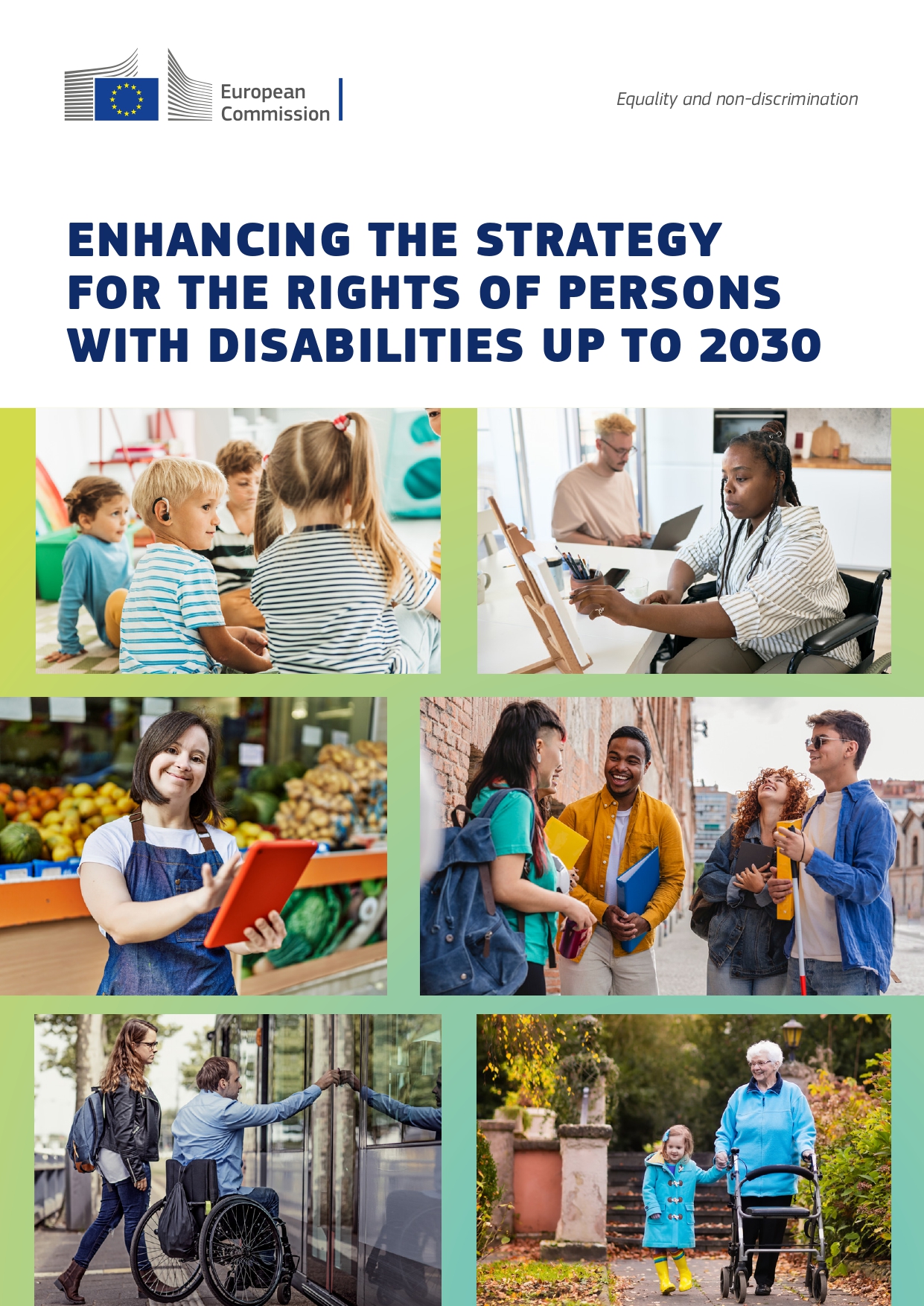
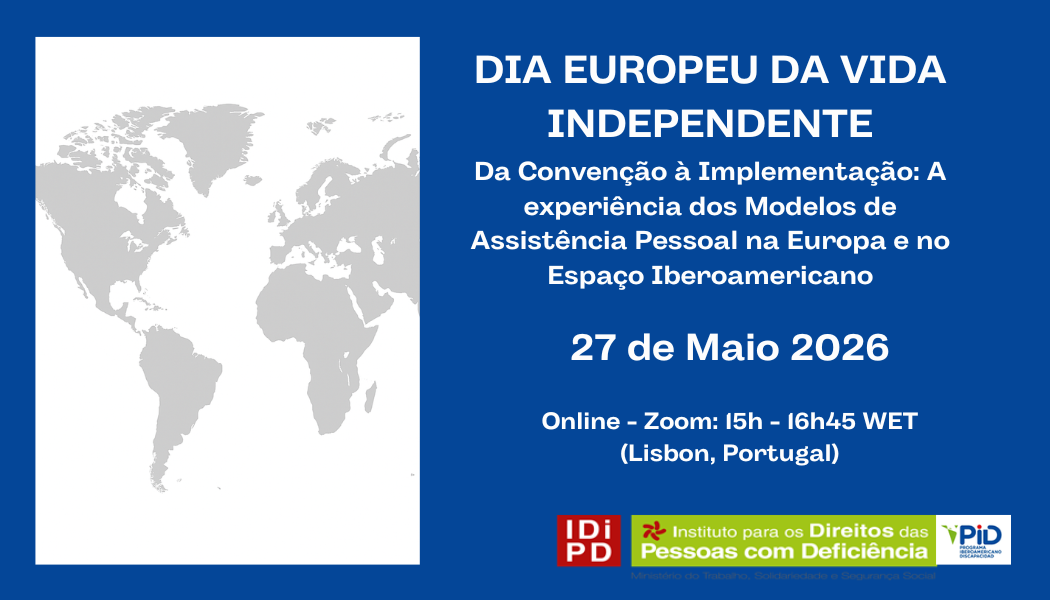
Save the date - Dia Europeu da vida independente
No dia 5 de maio de 2026 celebra-se o Dia Europeu da Vida Independente, uma data instituída pela ENIL – European Network on Independent Living, plataforma de âmbito europeu dirigida a pessoas com deficiência ou incapacidade e a organizações promotoras da Vida Independente, cuja principal missão é promover os seus valores e práticas. Neste contexto, o Instituto para os Direitos das Pessoas com Deficiência, IP (IDiPD, IP), em coorganização com o Programa Iberoamericano de Discapacidad(PID), promove o evento online “Da Convenção à Implementação: a experiência dos Modelos de Assistência Pessoal na Europa e no Espaço Iberoamericano”, que decorrerá via Zoom, entre as 15h05 e as 16h40, no dia 27 de maio. O evento tem como objetivo promover a reflexão, o debate e a partilha de experiências internacionais sobre os Modelos de Assistência Pessoal, enquanto ferramenta essencial para a concretização do direito à Vida Independente, consagrado na Convenção sobre os Direitos das Pessoas com Deficiência das Nações Unidas. Durante a sessão terá lugar o painel “A assistência pessoal no âmbito da Convenção sobre os Direitos das Pessoas com Deficiência”, com a partilha de experiências no domínio da assistência pessoal em contexto internacional, onde serão apresentados modelos de assistência pessoal implementados em países representantes do Espaço Iberoamericano e Europeu. A celebração do Dia Europeu da Vida Independente através deste evento constitui uma oportunidade relevante para pessoas com deficiência, organizações da sociedade civil, profissionais e decisores políticos, permitindo aprofundar o conhecimento sobre diferentes abordagens e desafios na implementação efetiva da assistência pessoal, a partir de experiências europeias e iberoamericanas. Mais informações, como o link de participação, serão disponíveis brevemente. Participe e divulgue.
Ver detalhes do destaque IDiPD divulga premiados do Concurso “Escola Alerta!” 2025/2026
O Instituto para os Direitos das Pessoas com Deficiência (IDiPD) divulga a lista de premiados do Concurso “Escola Alerta!” 2025/2026. Nesta edição foram apresentadas 48 candidaturas, distribuídas pelas três categorias do concurso: 15 na Categoria 1, 16 na Categoria 2 e 17 na Categoria 3. As candidaturas envolveram 45 escolas de 14 distritos do continente e das regiões autónomas dos Açores e da Madeira, contando com a participação de 2.281 alunos e 267 professores. Foram atribuídos nove prémios nacionais, três por cada categoria do concurso. O aumento do número de candidaturas, bem como da participação de alunos e docentes, evidencia o envolvimento da comunidade educativa na promoção de uma sociedade mais justa e inclusiva, assente nos valores da democracia, do respeito pela diversidade e da defesa dos direitos humanos. A lista completa de escolas premiadas pode ser consultada AQUI .
Ver detalhes do destaque 
Alteração do Dia Nacional das Acessibilidades
A Assembleia da República resolve, nos termos do n.º 5 do artigo 166.º da Constituição, alterar o Dia Nacional das Acessibilidades, consagrado pela Resolução da Assembleia da República n.º 297/2021 , de 25 de novembro, para a última quinta-feira do mês de outubro de cada ano . Nesse sentido, em 2026, será celebrado dia 29 de outubro. Aceda à Resolução da Assembleia da República n.º 79/2026, de 20 de abril | DR AQUI .
Ver detalhes do destaque IDiPD disponibiliza edição atualizada do Guia Prático - Direitos das Pessoas com Deficiência em Portugal
O Instituto para os Direitos das Pessoas com Deficiência, I.P. (IDiPD, I.P.), disponibiliza a edição atualizada do Guia Prático - Direitos das Pessoas com Deficiência em Portugal, um instrumento essencial de informação, orientação e apoio que reúne, num único documento, conteúdos práticos sobre direitos, benefícios e respostas existentes nas diferentes áreas da vida, revelando-se essencial para pessoas com deficiência, famílias, técnicos/as e todas as pessoas que se interessam pela temática. Na mensagem que acompanha a publicação, a Secretária de Estado da Ação Social e da Inclusão, Clara Marques Mendes, sublinha a importância do acesso à informação clara, compreensível e acessível como condição fundamental para o pleno exercício dos direitos e para a efetiva inclusão das pessoas com deficiência. Elaborado em 2019 com o contributo de diversas entidades da Administração Pública, no âmbito das respetivas áreas de competência, o Guia visa contribuir para a afirmação da cidadania e para a promoção da igualdade de oportunidades, combatendo estereótipos e situações de discriminação, através da sistematização da informação num único instrumento de consulta, sendo constituído por cinco partes: Informação geral sobre direitos transversais e instrumentos para o seu desenvolvimento; Direitos e orientações para a ação em diversas etapas da vida; Proteção social, respostas sociais e benefícios fiscais; Temas relacionados com a habitação, mobilidade e participação social; Contactos e serviços úteis. O Guia Prático - Direito das Pessoas com Deficiência em Portugal pode ser consultado AQUI .
Ver detalhes do destaque 
Governo aprova Estratégia para os Direitos das Pessoas com Deficiência 2026-2030 e respetivos Planos de Ação
Foi publicada em Diário da República a Estratégia para os Direitos das Pessoas com Deficiência 2026-2030 e respetivos Planos de Ação, estabelecendo um novo quadro para a promoção dos direitos, da inclusão e da participação plena das pessoas com deficiência em Portugal. Assente numa abordagem baseada nos direitos humanos, a Estratégia reforça o compromisso com a eliminação de barreiras e a construção de uma sociedade mais acessível, inclusiva e equitativa, definindo prioridades centradas na autonomia, igualdade de oportunidades e participação ativa. Os Planos de Ação operacionalizam estas prioridades através de medidas concretas, metas e indicadores de monitorização, promovendo uma atuação mais articulada e transversal entre entidades públicas e privadas. A implementação encontra-se alinhada com a Convenção sobre os Direitos das Pessoas com Deficiência e com as prioridades europeias nesta área. O Instituto para os Direitos das Pessoas com Deficiência, I.P. (IDiPD, I.P.) acompanha a execução da Estratégia, assegurando a coordenação, monitorização e dinamização das políticas públicas, bem como a promoção da acessibilidade, da inclusão social e profissional e da eliminação de barreiras, em articulação com parceiros institucionais e a sociedade civil. A nova Estratégia constitui um passo decisivo para políticas públicas mais eficazes e orientadas para resultados, contribuindo para uma sociedade mais inclusiva e coesa. Consulte os documentos oficiais: • Estratégia: AQUI . • Planos de Ação: AQUI .
Ver detalhes do destaque Lista final de Projetos apoiados ao abrigo do Programa de Financiamento pelo IDiPD às ONGPD
O Programa de Financiamento a Projetos pelo IDiPD para 2026 abrangeu um total de 159 ONGPD que registaram 266 projetos na plataforma de candidatura. Após conclusão dos trabalhos do Júri de avaliação e do ato de homologação do Conselho Diretivo de 26 de fevereiro de 2026, foi publicada a lista final dos montantes atribuídos aos projetos a 27 de fevereiro de 2026. Nesta lista foram aprovados para financiamento 243 projetos com um investimento global de 2.050.000,00€, o que representa um aumento de 36,66%, relativamente ao ano anterior. À semelhança da tendência verificada ao longo dos últimos anos, a maioria dos projetos aprovados encontram-se na área temática da participação artística, desportiva, lúdica e cultural (156), representado 60,08% dos projetos e 48,60% do total do financiamento. Relativamente às áreas em que os projetos se desenvolvem, o quadro seguinte apresenta o número de projetos e o montante afeto a cada uma das áreas: Número de projetos aprovados e montante envolvido por área temática Áreas temática Nº de projetos Valor financiado A – Projetos inovadores que visem a inclusão das pessoas com deficiência 62 (25,51%) 805.925,62€ (39,31%) B – Campanhas e ações de sensibilização 19 (7,82%) 113.042,68€ (5,51%) C – Participação artística, desportiva, lúdica e cultural 146 (60,08%) 996.339,91€ (48,60%) D – Acessibilidade digital e tecnológica 16 (6,58%) 134.691,79€ (15,5%) Total 243 2.050.000,00€
Ver detalhes do destaque 

TML convida pessoas com deficiência visual a testar novo percurso acessível WayFinding na Gare do Oriente
Para muitas pessoas cegas ou com baixa visão, utilizar os transportes públicos continua a ser um desafio diário. Para promover maior autonomia, conforto e segurança, foi criado um percurso acessível na Gare do Oriente, ligando a estação de metro do Oriente aos cais da Carris Metropolitana. Este trajeto foi desenvolvido para tornar as deslocações mais simples, intuitivas e independentes. E todos estão convidados a experimentá‑lo! Visitas acompanhadas As pessoas cegas ou com baixa visão podem participar em visitas guiadas por Técnicos de Orientação e Mobilidade das associações parceiras. Inscrições disponíveis AQUI . Exploração autónoma Se preferir fazê-lo por conta própria, pode utilizar: - Guia de Apoio ao Percurso Acessível e - Planta de Alto Contraste . Estes recursos foram especialmente concebidos para permitir uma navegação autónoma e segura. A sua opinião é essencial. Ajude-nos a melhorar este percurso e a definir soluções de acessibilidade ainda mais eficazes no futuro. Deixe os seus comentários: Formulário de avaliação do Sistema WayFinding Ou envie um e‑mail para: transportes@tmlmobilidade.pt
Ver detalhes do destaque Governo cria bilhete gratuito para acompanhante de pessoa com deficiência em equipamentos culturais públicos
O Governo aprovou o decreto‑lei Decreto-Lei n.º 65/2026 , de 5 de março que cria o bilhete gratuito para o acompanhante de pessoas com deficiência em espetáculos e equipamentos culturais geridos por entidades públicas. A medida tem como objetivo promover a inclusão e a acessibilidade cultural, garantindo que ninguém fica impedido de participar na vida cultural por barreiras económicas ou práticas. A gratuitidade aplica‑se a museus, monumentos, palácios, centros interpretativos e recintos de espetáculos de natureza artística situados em território continental, desde que sejam geridos pela Administração Pública, por entidades do setor público empresarial ou por fundações públicas. De acordo com o diploma, cada pessoa com deficiência tem direito a um bilhete gratuito para um acompanhante por sessão, desde que a deficiência esteja devidamente comprovada. O bilhete do acompanhante é intransmissível e só é válido quando emitido em simultâneo com o bilhete da própria pessoa com deficiência, para a mesma data e horário. A comprovação da deficiência faz‑se, no caso de residentes em Portugal, através do Atestado Médico de Incapacidade Multiuso, com grau de incapacidade igual ou superior a 60%. Para cidadãos estrangeiros, é aceite documentação médica equivalente. O diploma obriga ainda os promotores culturais a adaptarem os sistemas de bilhética, garantindo o registo e o controlo destes bilhetes, o respeito pelas regras de proteção de dados e a disponibilidade do bilhete gratuito em todos os canais de venda, físicos e digitais, com critérios de acessibilidade e usabilidade equivalentes aos restantes bilhetes. A Inspeção‑Geral das Atividades Culturais (IGAC), em articulação com o Instituto para os Direitos das Pessoas com Deficiência ( antigo Instituto Nacional para a Reabilitação), será responsável pela fiscalização da medida e pela elaboração de um relatório anual sobre a sua aplicação, incluindo o número de bilhetes emitidos e o impacto na acessibilidade cultural. As entidades abrangidas dispõem de um ano para adaptar os seus sistemas informáticos, estando previsto um regime transitório que permite, temporariamente, a emissão manual dos bilhetes gratuitos.
Ver detalhes do destaque 
Informação | Reestruturação do Instituto Nacional para a Reabilitação para Instituto para os Direitos das Pessoas com Deficiência
No âmbito da reforma do Estado e da modernização da Administração Pública, o Decreto-Lei n.º 60/2026, de 24 de fevereiro, procede à reestruturação do Instituto Nacional para a Reabilitação, I. P. (INR) e cria o Instituto para os Direitos das Pessoas com Deficiência, I. P. (IDiPD) , que integra também as competências da Estrutura de Missão para a Promoção das Acessibilidades (EMPA). Esta alteração visa reforçar a promoção dos direitos das pessoas com deficiência, garantindo uma atuação mais eficaz e uma melhor articulação com os restantes serviços da Administração Pública, através de uma abordagem integrada nas áreas da inclusão, acessibilidade e participação cívica. Informa-se ainda que todas as referências ao INR e à EMPA, constantes de diplomas legais e regulamentares, atos, contratos e outros instrumentos normativos, consideram-se feitas ao IDiPD. O Decreto-Lei pode ser consultado em: https://diariodarepublica.pt/dr/detalhe/decreto-lei/60-2026-1058701616 Continuamos juntos a fazer acontecer a inclusão!
Ver detalhes do destaque Acesso rápido a: